New Report: “Hurricane Sandy Rebuilding Strategy” – updates

The report, Hurricane Sandy Rebuilding Strategy, is now public.

So far, I have seen a list of 122 news articles about the report.  And a few press releases. I am most interested in the reactions of the organizations that will be working through the issues and promising made in the report, such as the Association of State Floodplain Managers and the American Planning Association. I welcome additional links from readers. Here are 2 so far:


Scientists Press for Higher Flood Ins. Rates to Get Action

A significant new report was just issued by the Union of Concerned Scientists; it is titled Overwhelming Risk; Rethinking Flood Insurance in a World of Rising Seas. Both the full report (30 pp.) and an executive summary are available for download on that site.

This document is worth keeping as a basic primer on coastal flooding, floodplain management, and flood insurance.  The authors are quite blunt about the risk, as you will see from these excerpts from a Congressional Quarterly article, titled Scientists Call for Higher Federal Flood Insurance Rates:

A group of scientists joined the ranks this week of those opposing congressional efforts to continue subsidizing coverage under the federally run flood insurance program. In a 30-page report (PDF), the Union of Concerned Scientists laid out data on the global rise of sea levels and the increasing frequency of catastrophic storms.

Americans are unlikely to prepare for the kind of flooding that lies ahead, the organization warned, if the Federal Emergency Management Agency does not start charging higher rates for flood insurance.

“We urgently need to reform our insurance system so that it can help us manage these risks effectively, even as we invest in measures to slow global warming and sea level rise and prepare for their impacts,” the report said. “Reforming our insurance system to reflect this growing exposure can help communicate the true risks to coastal communities so they are motivated to take protective steps.”

Congress enacted just such an overhaul of the National Flood Insurance Program last summer, signing off on language that required FEMA to raise premium rates to reflect each property’s actual risk of flooding and to remap areas that are at higher risk than before. In recent months, though, lawmakers from coastal states have been trying to delay those rate increases by adding amendments to various bills on the move this session and introducing stand-alone

U.S. Cities Safest from Disasters

The article is titled These Cities Are the Safest Refuges From Natural Disasters, though the  selection is based on past disasters.  I hope no one moves with the expectation of a disaster-free life!!

See also another article about some scientific work underway to quantify some risks in the U.S. and Canada.  Here is the link to: New Research Program Aims to Quantify Wind, Tornado Risk in Canada and the U.S.   Thanks to Franklin McDonald of York Univ. in Toronto for sending me this link.

One has to admit that with graphics and a lively style of writing, the first mentioned is more engaging.

Recovery Planning Guide for Transportation Disasters

A newly issued report from the Transportation Research Board (of the National Academy of Sciences) is a useful addition to the recovery literature. Its full title is A Pre-Event Recovery Planning Guide for Transportation; the full document is 207 pages, but the body of the text is 60 pages. A Power Point slide set is also available, which is handy for educators and trainers.

Although aimed at transportation disaster events, and focused on their impacts and effects on infrastructure, it is a useful document generally regarding the recovery process.

The prose is more readable than most FEMA documents, and the document offers a literature review and some case studies.  I would like to have seen both of those features enhanced, since both are relatively thin in my view. But, at least they make a contribution.

The document includes a chart on elements of the recovery process, done by the Diva ( p.6) in 1985.

Personal Recovery Handbook

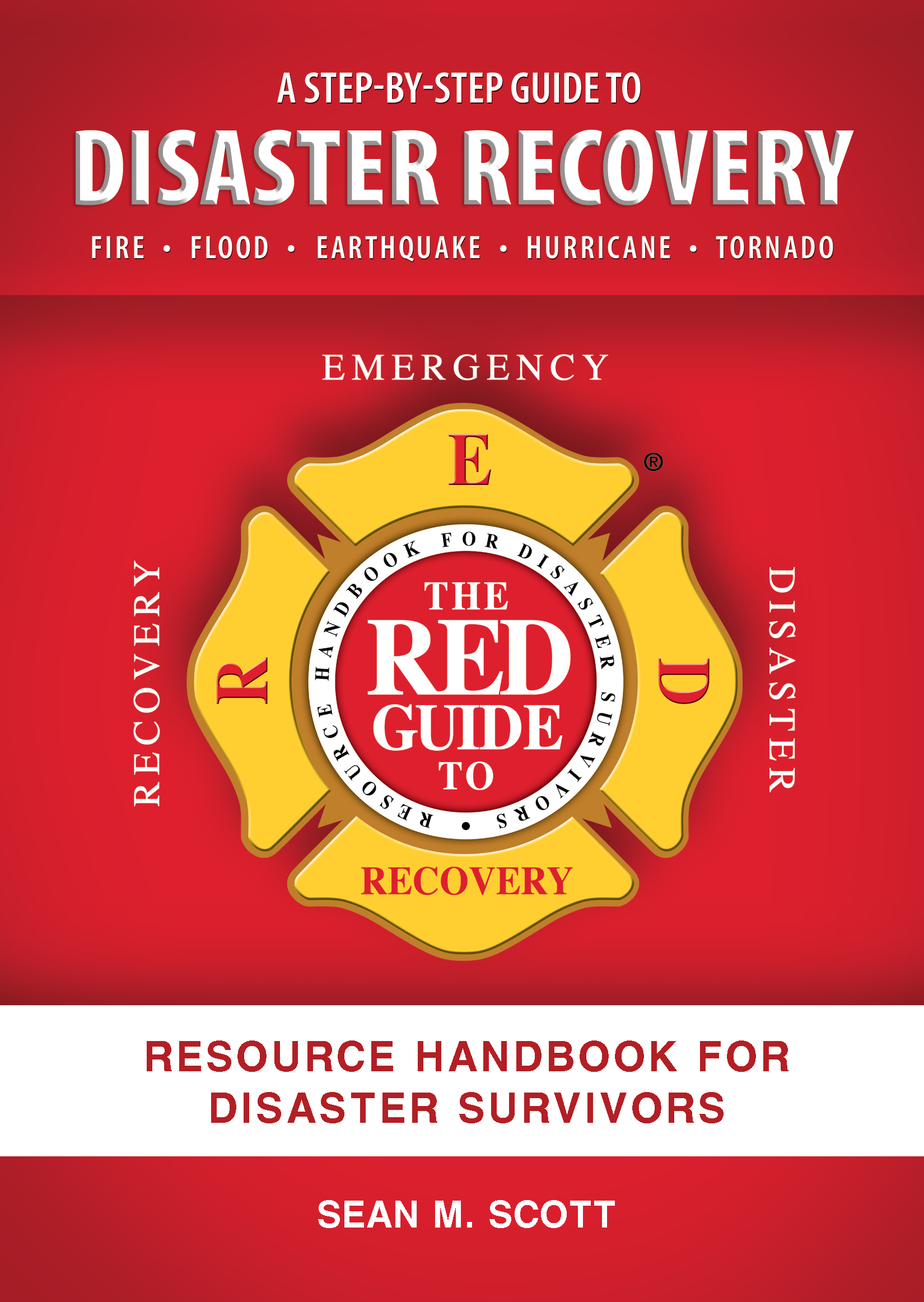
RedGuideMost of the documents I mention deal with community or neighborhood recovery, but this one provides practical personal assistance.  See: The Red Guide to Recovery; A Resource Handbook for Disaster Survivors. This 155 page guide, available in a handy paperback format, was prepared by a veteran in the construction and restoration business.  The guide includes chapters on securing and protecting property, displacement and relocation, disaster relief and financial assistance, insurance, home inventory, avoiding disaster scams and more.

The Red Guide Costs $19.95.  Additional details about the handbook as well as several related resources are available free on the Red Guide website.  Please order this book directly from the publisher at the website noted and mention that the Recovery Diva sent you!

Superstorm Sandy Research Lab

NYU

As noted in the bulletin of the Hazards Center at the Univ. of CO/Boulder:

“The Superstorm Research Lab is a collective of scholars working to cross boundaries between traditional academic publishing and information sharing for the common good—all within the scope of social and environmental issues surrounding Hurricane Sandy. The group’s open online resource site hosts a wealth of information including qualitative interviews, data sets, maps, and documents from a variety of sources. Whether you’re in the market to find or share, this site is a treasure trove of Sandy info.”

The Diva liked the Public Reports page especially.  The Lab is supported by NY University.


Importance of Oversight for Disaster Recovery

This article provides an interesting discussion of a topic that has received far too little attention. See:  Disaster recovery in housing a multidisciplinary approach.  A few excerpts:

As the Mississippi Gulf Coast approaches the eighth anniversary of the landing of Hurricane Katrina, a look at the recovery and the impact of federal dollars that assisted the recovery seems warranted. In particular, how those federal disaster dollars have been administered and expended in the housing sector offers an interesting look into the manner in which a multidisciplinary team approach to disaster recovery can work

.The notion that the disciplines of accounting, law, auditing, engineering, environmental science and business management should be the key components in planning, implementing, executing and closing out a disaster recovery program in Mississippi had its genesis in the aftermath of Hurricane Katrina. Then Gov. Haley Barbour recognized that the influx of billions of dollars of federal disaster recovery funds into the state required particular oversight — “disaster oversight.”

I would be interested in hearing from folks working the Superstorm Sandy recovery about any oversight efforts going on in NY. and NJ.

Some Recovery Planning Guidance – from NY State

This 81 page document is titled Guidance for Community Reconstruction Zone Plans. It provides a lot of detailed planning guidance.

The source is an organization called NY Rising, which is a State-sponsored organization. More details are available at this website.

NOTE: See comment by Dr. Tom Phelan re potential importance of this new approach to recovery.

FEMA’s After Action Report on Superstorm Sandy

I am not quite sure when this was issued, but the direct link to the 38 page report is here: Hurricane Sandy FEMA After Action Report; July 2013.

For those of you interested in FEMA workforce issues, the report devotes quite a bit of discussion to that topic.

In the next two weeks or so, I expect to see the Sandy Task Force Recovery Strategy report. When I get it, I will post it here.